Clothing Decoration Accessories
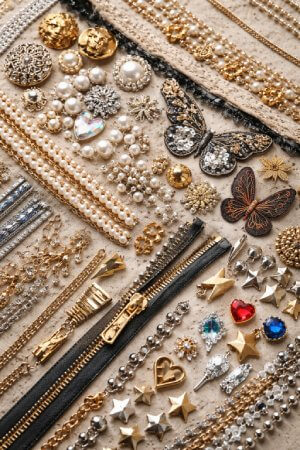
Clothing decoration accessories are components added to garments to enhance appearance, texture, or identity. They are used by designers, brands, and individual creators to personalize clothing while maintaining durability and comfort. Beyond aesthetics, these accessories can also signal cultural influences, subcultures, or functional reinforcement.
Why Decorative Elements Matter in Apparel
Decorative elements transform basic garments into distinctive pieces without changing the underlying structure. A simple jacket or pair of jeans can take on a new character through metallic accents or light-reflecting stones. This makes decoration accessories especially valuable in custom fashion, stage wear, and small-batch production.
They also allow brands to adapt quickly to trends without redesigning entire collections. By updating trims and embellishments, designers can respond to seasonal demand while keeping production costs and material use under control.
Balancing Style, Comfort, and Durability
Decoration is all very well, but comfort and safety should be the priority. Edges, finishes, and sharp-edged components that cause irritation or damage from wear should be avoided. The highest quality accessories are designed, coated, or mounted to be free from friction and guarantee flexibility.
But even more importantly, the accessory should provide durable services. These accessories have to stay perfect through washings, activity, and whatever the weather may throw, while ensuring that they are as good when you have bought them. A reliable supplier would assure that, after thorough tests, everything, coloraways in particular, and metal fixing would ensure that their production will stand up to anything.
Studs as Clothing Decoration Accessories
Studs are among the most recognizable and versatile clothing decoration accessories. Often associated with denim, leather, and streetwear, they range from understated micro-studs to bold, industrial designs. Their appeal lies in both visual impact and structural reinforcement.
Studs are typically made from metal alloys, stainless steel, or coated materials designed to resist rust and tarnish. The choice of finish affects not only appearance but also how the stud ages over time.
Types of Studs Used in Apparel
Common stud styles include round, pyramid, cone, and flat-back designs. Round studs are widely used for subtle detailing, while pyramid and cone studs create a more aggressive or edgy look. Flat-back studs are often chosen for comfort-sensitive areas.
Attachment methods vary as well. Some studs are sew-on, others are prong-based, and some are designed for heat or press application. Each method suits different fabrics and production scales, from home crafting to industrial manufacturing.
Best Practices for Using Studs Safely
Stud placement should consider fabric strength and garment movement. Reinforcing high-stress areas prevents tearing and prolongs wear. For garments intended for frequent washing, corrosion-resistant coatings are essential.
From a regulatory standpoint, studs used in consumer clothing should comply with material safety standards, especially when garments are designed for children or prolonged skin contact. Rounded edges and secure fastening reduce the risk of injury.
Rhinestones and Their Role in Decorative Fashion

Rhinestones bring light, texture, and visual depth to clothing decoration. Unlike studs, which emphasize structure and edge, rhinestones focus on reflection and detail. They are widely used in evening wear, dance costumes, sports uniforms, and performance apparel.
Modern rhinestones are available in glass, crystal, and acrylic forms. Advances in manufacturing have improved clarity and durability while offering more affordable options for large-scale use.
Different Rhinestone Materials and Cuts
Glass and crystal rhinestones are valued for their brilliance and weight, making them suitable for premium garments. Acrylic rhinestones are lighter and more flexible, often used where comfort and cost efficiency are priorities.
Cuts and facets influence how stones reflect light. Flat-back rhinestones are the most common for clothing, as they sit smoothly against fabric and allow for secure adhesion or setting.
Application Methods and Longevity
Rhinestones can be sewn, glued, or heat-applied depending on the garment and production setup. Heat-fix rhinestones are popular for their speed and consistency, especially in bulk decoration.
To ensure longevity, proper temperature control and fabric compatibility are crucial. Poor application can lead to stones detaching during washing or wear, reducing both appearance and garment lifespan.
Other Popular Clothing Decoration Accessories
Beyond studs and rhinestones, a wide range of accessories support creative garment design. These elements often complement primary decorations, adding contrast, movement, or texture without overwhelming the design.
When selecting additional accessories, designers should consider how different materials interact visually and physically. Combining too many heavy components can affect drape and comfort.
- Embroidery patches for branding and storytelling
- Sequins for shimmer and movement
- Beads for texture and handcrafted detail
- Chains and metal trims for structure and edge
- Fabric appliqués for layered design
Each of these accessories brings distinct advantages and challenges. Thoughtful integration helps maintain balance between decoration and wearability.
Choosing Quality and Compliant Accessories
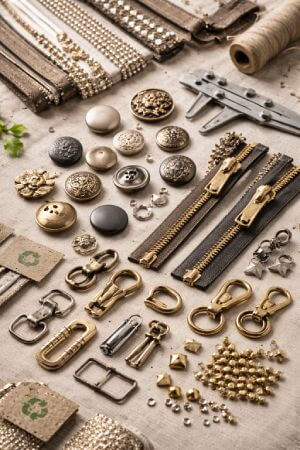
Quality is not only about appearance but also about safety, consistency, and ethical sourcing. Reputable suppliers provide clear specifications, testing documentation, and transparent material information.
Regulatory compliance is especially important for accessories used in mass-market apparel. Standards related to nickel release, chemical coatings, and flammability protect consumers and reduce liability for brands.
What to Look for in Reliable Suppliers
A dependable supplier offers consistent sizing, color accuracy, and attachment reliability. Sampling before large orders helps identify potential issues with fabric compatibility or finishing.
Clear communication about lead times, testing results, and replacement policies also signals professionalism. These factors are critical for designers working on tight production schedules.
Sustainability and Responsible Sourcing
Sustainability is becoming a defining factor in accessory selection. Recycled metals, low-impact coatings, and reduced packaging all contribute to lower environmental impact.
Choosing durable accessories supports sustainability by extending garment life. When decorations remain intact and appealing over time, clothing is less likely to be discarded prematurely.
How Decoration Accessories Shape Fashion Trends
Decoration accessories often reflect broader cultural and social shifts. Stud-heavy designs may align with punk or streetwear movements, while rhinestone-heavy looks often reappear during periods of expressive or celebratory fashion.
Because accessories are easier to modify than full garment structures, they allow designers to experiment and respond quickly to consumer preferences. This flexibility supports innovation while limiting waste.
From Runway to Everyday Wear
High-fashion collections frequently introduce exaggerated decoration concepts that later filter into everyday clothing in simplified forms. Studs may shrink in size, and rhinestones may appear in minimal patterns rather than full coverage.
This transition makes trend-driven design more accessible while preserving comfort and practicality for daily wear.
Customization and Personal Expression
Accessories enable individual customization, whether through DIY projects or made-to-order garments. This supports a shift away from disposable fashion toward pieces that feel personal and worth maintaining.
Customization also encourages repair and redesign, as accessories can be replaced or updated without discarding the entire garment.
Small Details, Lasting Impact
Superior clothing decorative elements, even beyond being pleasing to look at, need to be durable, comfortable, and compliant. Studs and rhinestones are still the major players in ornamentation by way of offering their distinct styles that can be used with any fashion trend or garment type.
Given good quality materials, safe application methods, and environmentally responsible suppliers, clothing will distinguish itself and stand as an archival problem in the face of socio-economic change.
I love when its over the top, extra, deco in rhinestones, and makes a statement~ true kawaii glamour 𝜗𝜚 。˚₊. pic.twitter.com/RsAw3305ke
— 𝜗𝜚HimegalBimby ❤︎ (@DollhouseBimby) December 17, 2025
Basic accessories of ancient Chinese clothing
— cc_prc999 (@prc9999) May 10, 2023
cr:环球纪录#Headornaments #Decoration #Accessories #ChineseCostume #girlaccessories #Chinesetraditional #chinese_style #Chinaculture #intangibleculturalheritage #pearls #pearldecoration #pearlcrafts #Earring #Headdress #Necklace pic.twitter.com/8vpPabVexV